
Research Topics
Our research group focuses on the manufacturing of porous materials for electrochemical devices, such as redox flow batteries, water electrolyzers, and fuel cells. Our research bridges the gap between experimental and computational approaches by combining imaging diagnostics, computational optimization, and additive manufacturing strategies. This enables us to design new porous materials tailored to specific reactor designs and operation conditions, ultimately improving the efficiency, durability, and cost-effectiveness of electrochemical devices. Our research concentrates on three interconnected topics:
(1) (Multiphase) mass transport in porous media: Studying the structure-performance relationships in electrochemical devices through imaging diagnostics and computational modeling. Operando, in-situ, and ex-situ imaging diagnostics are utilized to visualize and characterize (multiphase) flow through electrochemical reactors, supplemented by macro- and mesoscale computational approaches, including continuum macroscale fluid dynamic simulations and pore-scale models.
(2) Computational optimization: Designing improved porous materials using strategies such as coupling pore-scale models with machine learning and heuristic algorithms to enhance the charge, mass, and heat transport in the porous media.
(3) Additive manufacturing: Developing enhanced porous materials with controlled structure and properties through various 3D printing approaches, resin engineering, and surface functionalization.
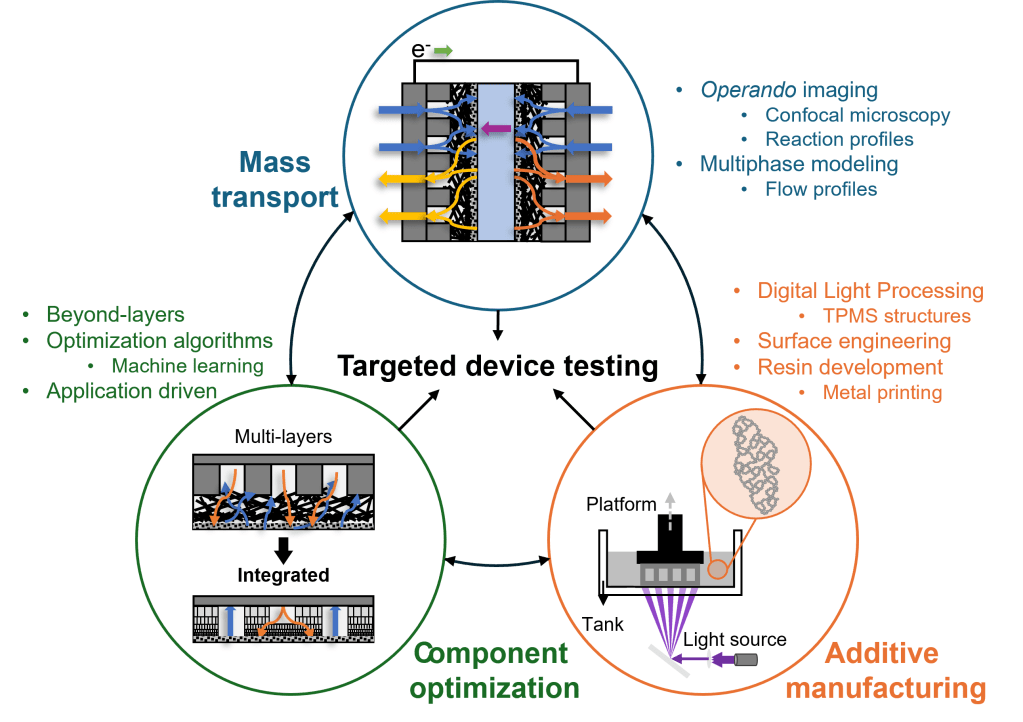
The principles and methodologies developed by our research group can be applied and adapted to a wide range of (electro)chemical devices and manufacturing processes.
Current Projects
(Multiphase) mass transport in porous media
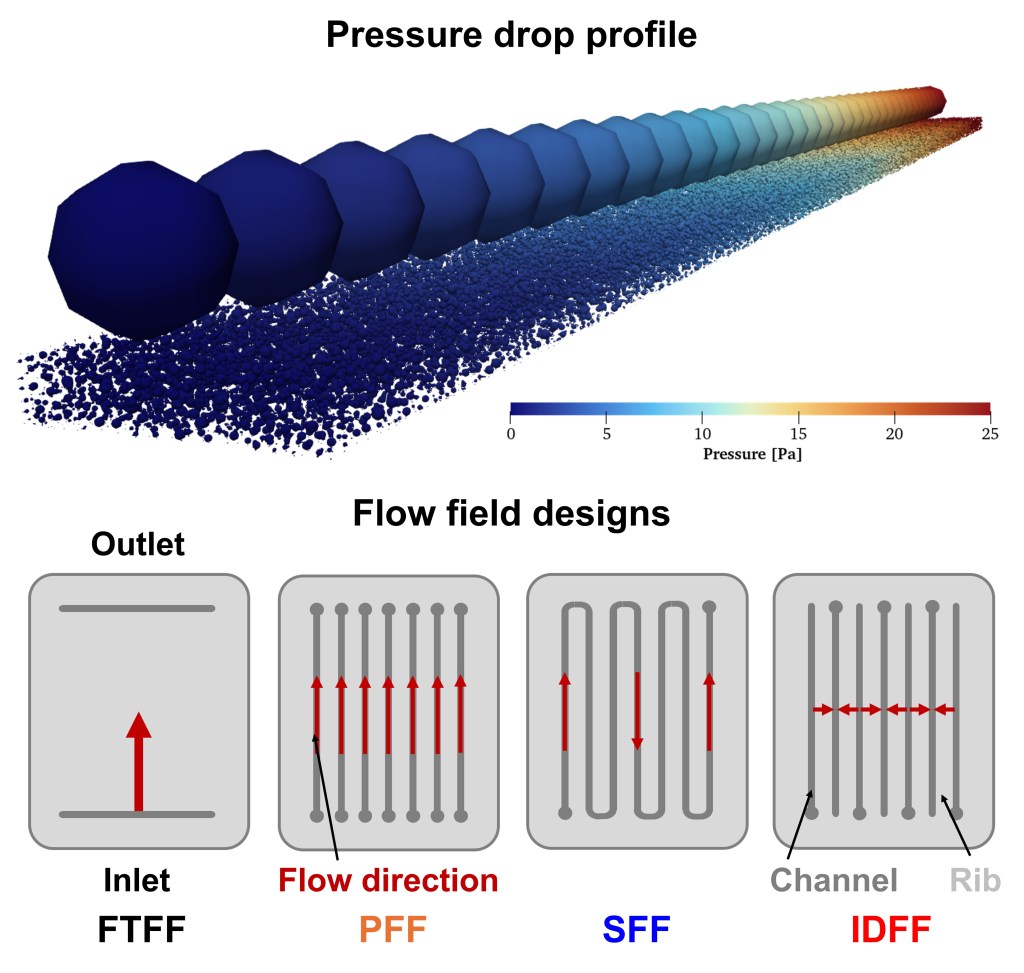
Co-designing flow fields and porous electrodes for redox flow batteries using computational approaches

Project details
We develop pore network modeling (PNM) tools for redox flow batteries that provide an efficient way to translate real electrode structures into network representations, enabling direct links between microstructure and electrochemical performance. Using our open‑source Python framework built on OpenPNM, we simulate coupled fluid flow, mass transport, and charge transfer in porous electrodes to identify structure–performance relationships and guide the design of next‑generation materials.
Coupling these Multiphysics simulations in porous electrodes with flow field configurations is the logical next step in creating a comprehensive computational model of redox flow batteries. Porous electrodes and flow fields can both be represented using pore network modeling approaches, where continuous porous volumes are discretized into graph data structures comprised of nodes and edges, physically representing pores and throats in the media. Mathematical models describing fluid mechanics, mass transport, and charge transport are solved over the network, allowing us to determine quantities such as concentration, velocity, and charge of the anolyte and catholyte.
These values are stored in individual pores and throats, providing detailed insight into transport and reaction distributions throughout the system. By integrating flow fields into this framework, we enable co‑design of electrodes and flow architectures, offering new opportunities to optimize overall RFB performance.
Transport, material, and system design in new electrolysis concepts



Project details
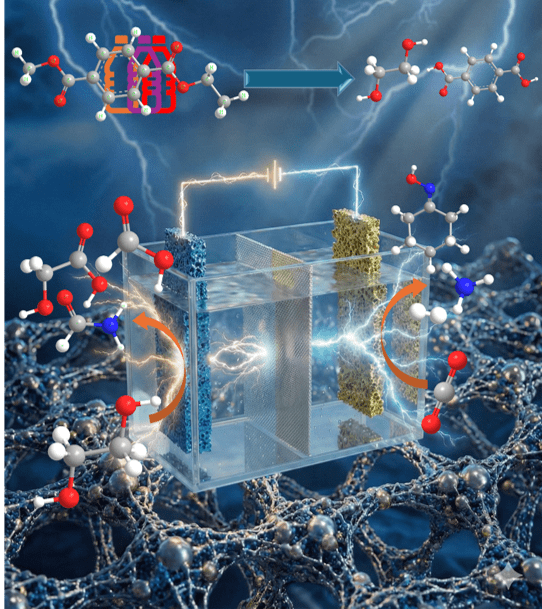
This project focuses on the development of advanced electrochemical systems for the selective conversion of molecules into value-added products. We design and synthesize novel electrocatalysts for applications such as plastic upcycling, biomass valorization, and sustainable chemical production. By integrating catalyst materials with architected 3D-printed electrodes, we investigate how electrode geometry, mass transport, and local reaction environments influence activity, selectivity, and product yield. Combining materials synthesis, electrochemical characterization, and reactor engineering, this research aims to establish design principles for highly efficient and scalable electrochemical conversion technologies.
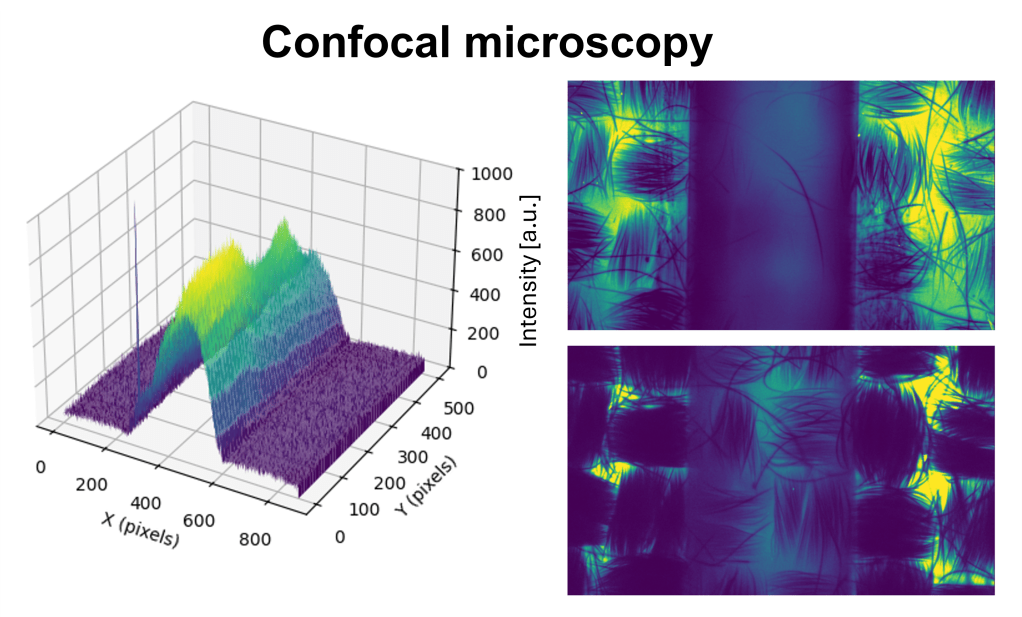
Utilizing confocal fluorescence microscopy to study flow field performance in redox flow batteries

Project details
This project focuses on understanding how flow field architecture governs transport phenomena and electrochemical performance in redox flow batteries. We develop and study a range of engineered flow field designs and integrate them into custom electrochemical cells compatible with high-resolution operando imaging. By leveraging confocal fluorescence microscopy, we directly visualize electrolyte distribution, reaction activity, and spatial heterogeneity within porous electrodes under realistic operating conditions.
By combining advanced imaging techniques with electrochemical diagnostics, we investigate how fluid flow, mass transport, and reactor geometry interact to control local reaction environments and overall cell performance. This approach enables us to correlate spatially resolved transport behavior with macroscopic metrics such as current density and overpotentials. Ultimately, this work aims to establish design principles for flow field geometries that optimize electrode utilization, improve efficiency, and support the development of scalable and high-performance energy storage systems.
Simulating 3D printed porous electrodes in redox flow batteries using COMSOL Multiphysics

Project alumni:

Project details
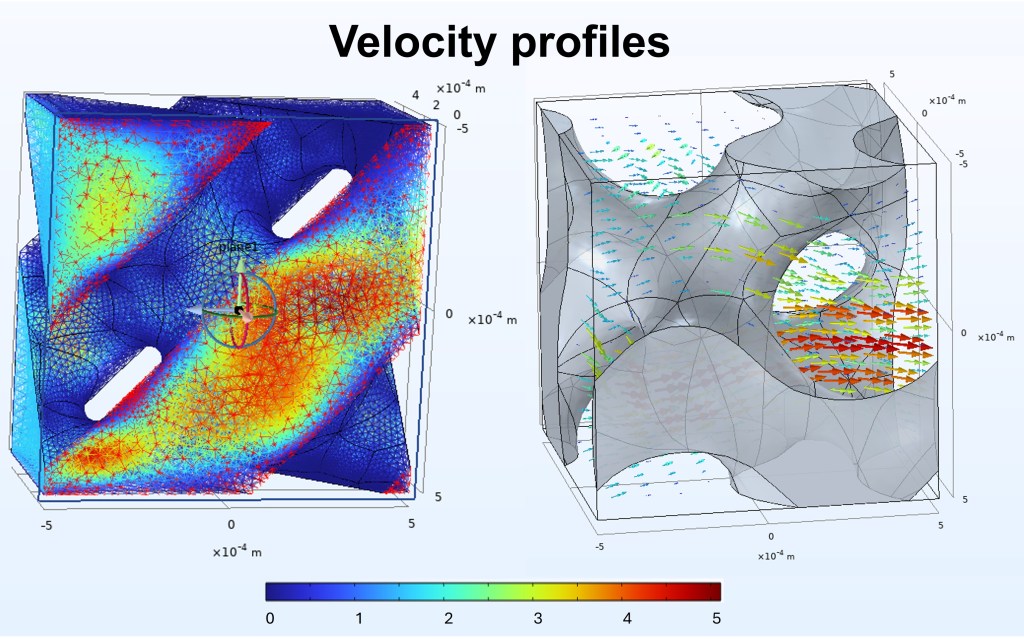
COMSOL Multiphysics is well suited for simulating coupled phenomena. For redox flow batteries, this includes fluid flow, mass transport, and secondary or tertiary current distribution. To validate experimental results and reduce the number of required tests, we import different three-dimensional porous electrode structures into COMSOL for analysis. Key metrics of interest include the uniformity of current and concentration distributions, and the pressure drop across the electrode.
Electrolytes, catalysts, and porous media design for water electrolyzers
Project alumni:


Project details
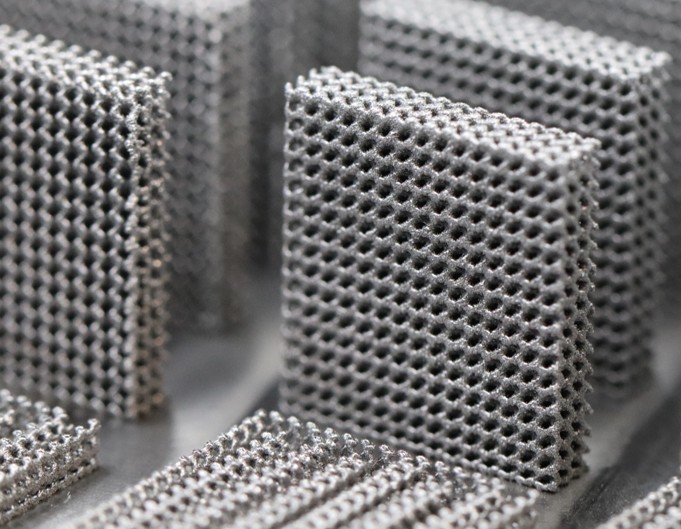
Efficient gas bubble removal is critical for improving the performance of water electrolyzers. This project explores the use of advanced metal 3D-printing technologies to fabricate porous electrodes with tailored architectures for enhanced bubble management and mass transport. By investigating different lattice and triply periodic minimal surface (TPMS) designs, we evaluate how electrode geometry influences gas evolution, electrolyte flow, bubble detachment, and electrochemical efficiency. Electrocatalysts are deposited onto the printed structures to establish structure–performance relationships and identify optimal electrode architectures for next-generation hydrogen production systems.
Computational optimization
Advanced modeling of redox flow batteries using pore network model and data-driven computational frameworks


Project details
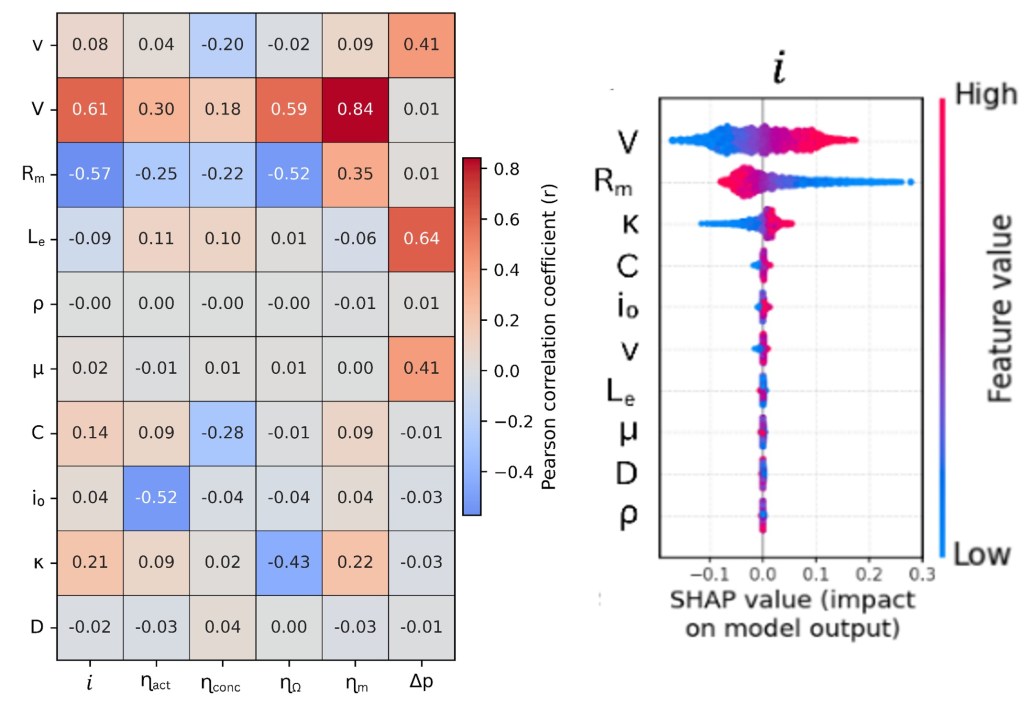
This research focuses on the development of multiscale computational frameworks for analyzing transport phenomena and electrochemical behavior in redox flow batteries using pore network modeling. The work integrates physics-based simulations with data-driven modeling, optimization, and uncertainty quantification techniques to investigate the coupled effects of electrode length, electrolyte flow dynamics, and electrochemical reactions on battery performance. The developed framework enables prediction of key performance indicators, including current density distribution, pressure losses, and overpotential contributions under varying operating conditions. By bridging pore-scale transport mechanisms with system-level performance analysis, the research aims to support the design, optimization, and digital engineering of next-generation large-scale energy storage systems.
Surrogate modeling of redox flow battery performance using machine learning and pore network simulations
Project details
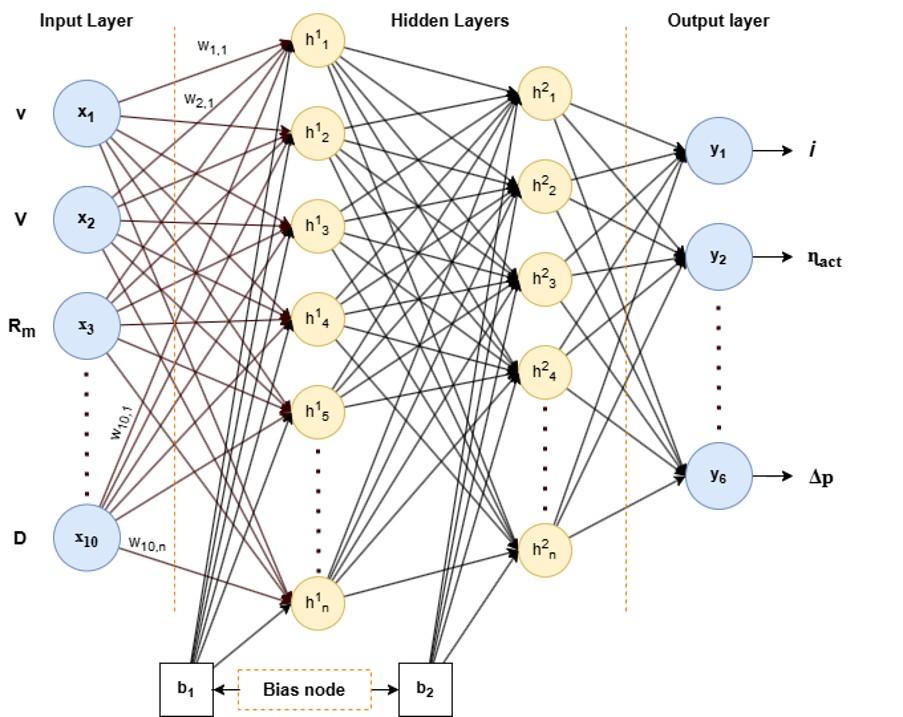
This research develops a hybrid physics-based and machine learning framework for rapid prediction of redox flow battery performance using datasets generated from high-fidelity pore network simulations. Data-driven surrogate models are trained to predict key electrochemical and hydraulic performance metrics, including current density, pressure drop, and overpotential behavior across a wide range of operating and material conditions. By combining pore-scale transport physics with computationally efficient predictive modeling, the framework substantially reduces simulation time while maintaining high predictive capability. The developed methodology enables accelerated design optimization, sensitivity analysis, and digital exploration of electrode architecture and operating strategies for advanced redox flow battery systems.
Advanced manufacturing
3D printing of porous electrodes for flow electrochemical applications
Project alumni:








Project details
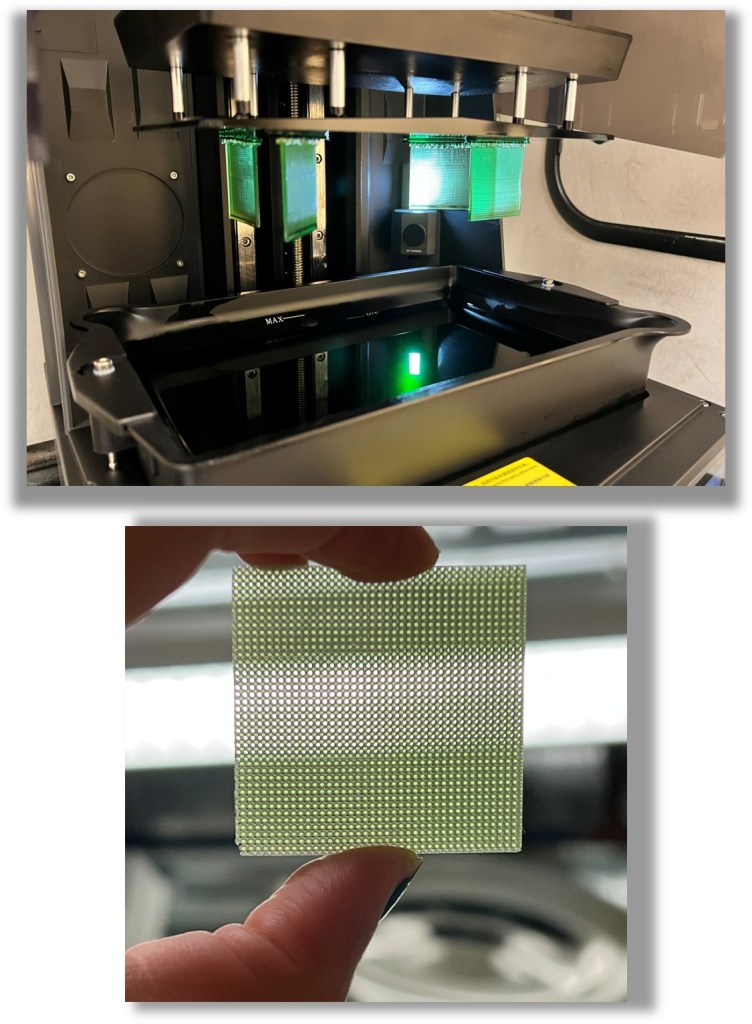
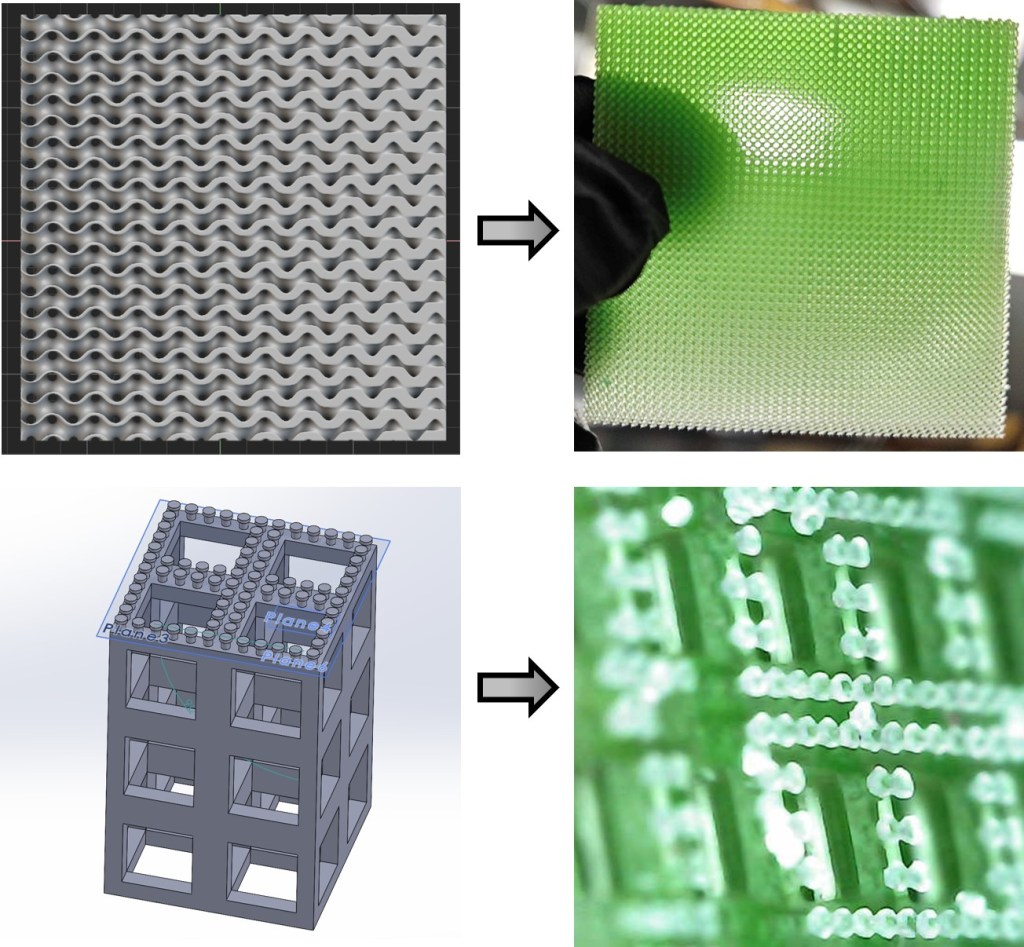
We develop custom porous electrodes using high‑resolution digital light processing (DLP) 3D printing, enabling precise control over geometry and internal architecture. Designs are created in CAD or nTopology, giving us exceptional flexibility to tailor pore structures, flow pathways, and mechanical properties for electrochemical applications. After printing with a resin, the parts are washed and UV‑cured (see video below), then converted into conductive carbon structures by carbonizing the prints in a high‑temperature oven. During carbonization, the prints shrink significantly, yielding finely detailed carbon architectures.
Our DLP printers offer excellent resolution, allowing us to fabricate intricate electrode designs ideally suited for flow electrochemical systems, including redox flow batteries, electrolyzers, and other advanced electrochemical devices.
Performance evaluation of porous electrodes in redox flow batteries

Project alumni:


Project details
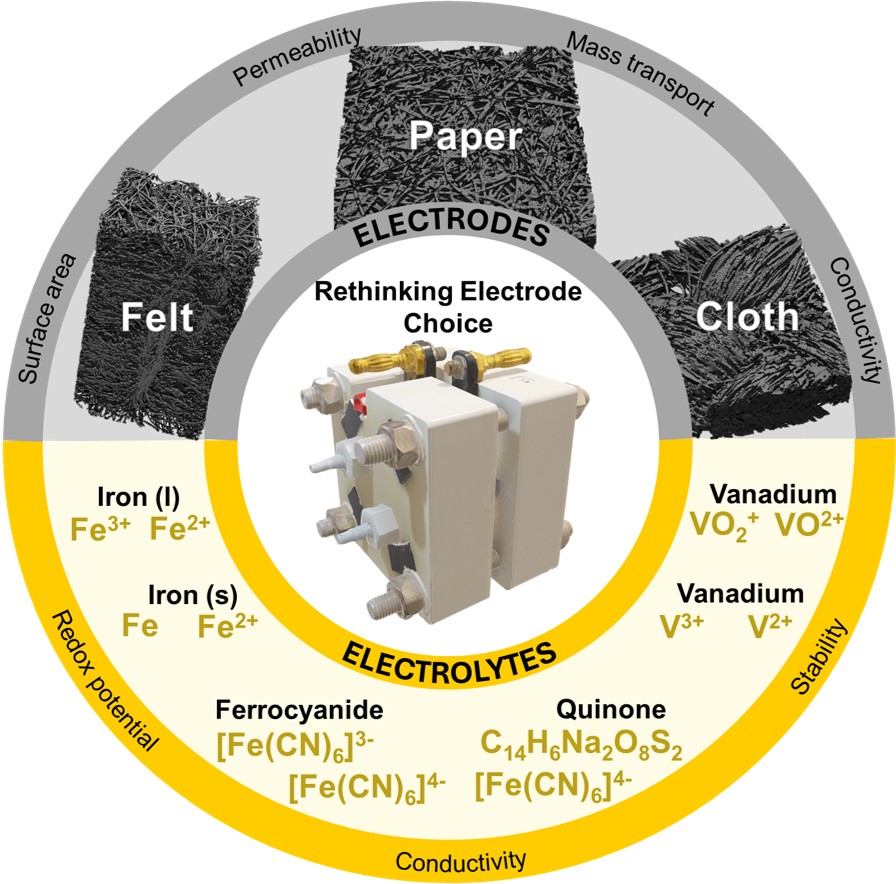
Porous electrode architecture plays a critical role in determining the performance of redox flow batteries, governing electrolyte distribution, reaction kinetics, and transport processes within the cell. In this project, commercially available carbon-based electrodes, such as paper, cloth, and felt, are systematically evaluated across a range of redox chemistries spanning different classes of electrochemical systems.
By comparing electrodes with distinct microstructures, including variations in pore size, thickness, and fiber arrangement, this research examines how electrode–electrolyte interactions influence efficiency and overall cell behavior. Through electrochemical characterization, the study identifies how different architectures perform under varying kinetic and transport conditions and highlights that optimal electrode design is strongly dependent on the specific electrolyte chemistry. These findings provide practical insight into selecting appropriate electrode materials for different applications and contribute to the development of design strategies for next-generation porous electrodes tailored to specific energy storage chemistries.
Scalable graphene synthesis for redox flow batteries

Project details
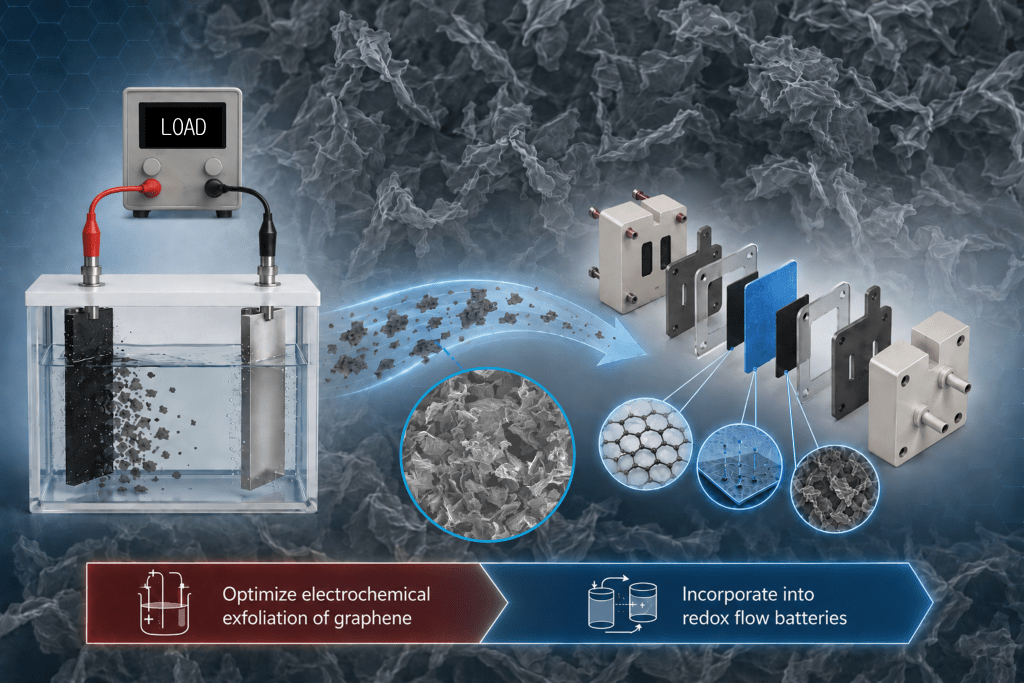
Graphene offers a unique combination of high electrical conductivity, large specific surface area, and tunable surface chemistry, making it a promising material for improving the performance of redox flow battery electrodes. In this project, graphene is synthesized through electrochemical exfoliation, with particular emphasis on developing a reproducible and scalable process.
The synthesized graphene is systematically characterized to determine how processing conditions influence properties such as layer thickness, defect density, surface functionality, and electrical conductivity. The material will be subsequently incorporated into redox flow battery electrodes to evaluate its effect on reaction kinetics, charge transfer, electrolyte accessibility, and overall cell performance. By establishing relationships between the exfoliation process, graphene properties, and electrochemical behavior, this research aims to support the development of scalable graphene synthesis methods and improved electrode materials for next-generation redox flow batteries.
Functionalization of porous electrodes for flow electrochemical reactions
Project details
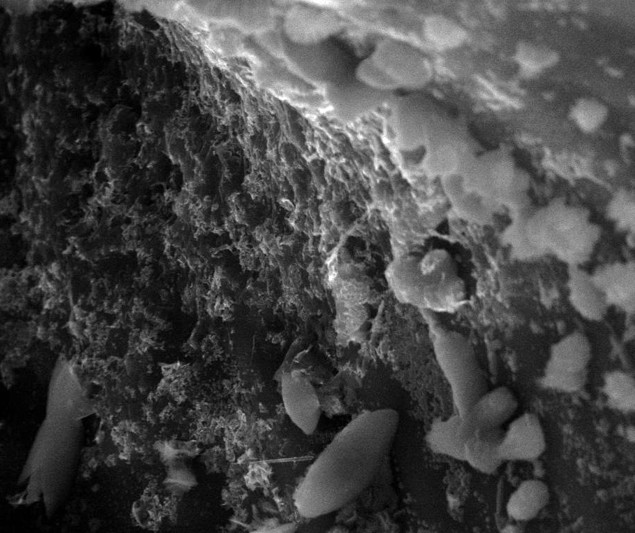
This project explores the design of functionalized porous electrodes for redox flow batteries using additive manufacturing, carbonization, and advanced surface engineering. Hierarchically structured electrodes are modified with conductive two-dimensional materials to enhance electron transfer, electrolyte accessibility, and reaction kinetics. By studying the interplay between electrode architecture and surface functionality, we aim to develop high-performance flow battery electrodes with improved efficiency, power output, and durability.
Design of 3D-printed porous electrodes: materials, architecture, and modeling
Project alumni:

Project details
This project focuses on the design and optimization of 3D‑printed porous electrodes for electrochemical flow systems, combining advanced digital design tools with experimental fabrication and modeling. Using CAD platforms such as nTopology and SolidWorks, we create architected porous structures with tunable geometry, enabling systematic control over properties such as pore size distribution, permeability, and surface area. These designs are fabricated using high‑resolution DLP 3D printing, with materials that can be converted into conductive carbon electrodes via carbonization or produced in metal through external additive manufacturing processes.
To guide and evaluate performance, we integrate computational modeling approaches, including in‑house pore network models and COMSOL simulations, to predict transport behavior, reaction distribution, and electrochemical performance under different operating conditions. By linking design, fabrication, and multiscale modeling, this work aims to establish design rules for next‑generation porous electrodes with improved efficiency and tailored transport properties for electrochemical technologies.
Designing, manufacturing, and testing of new lab-scale flow reactor concepts
Project alumni:



Project details
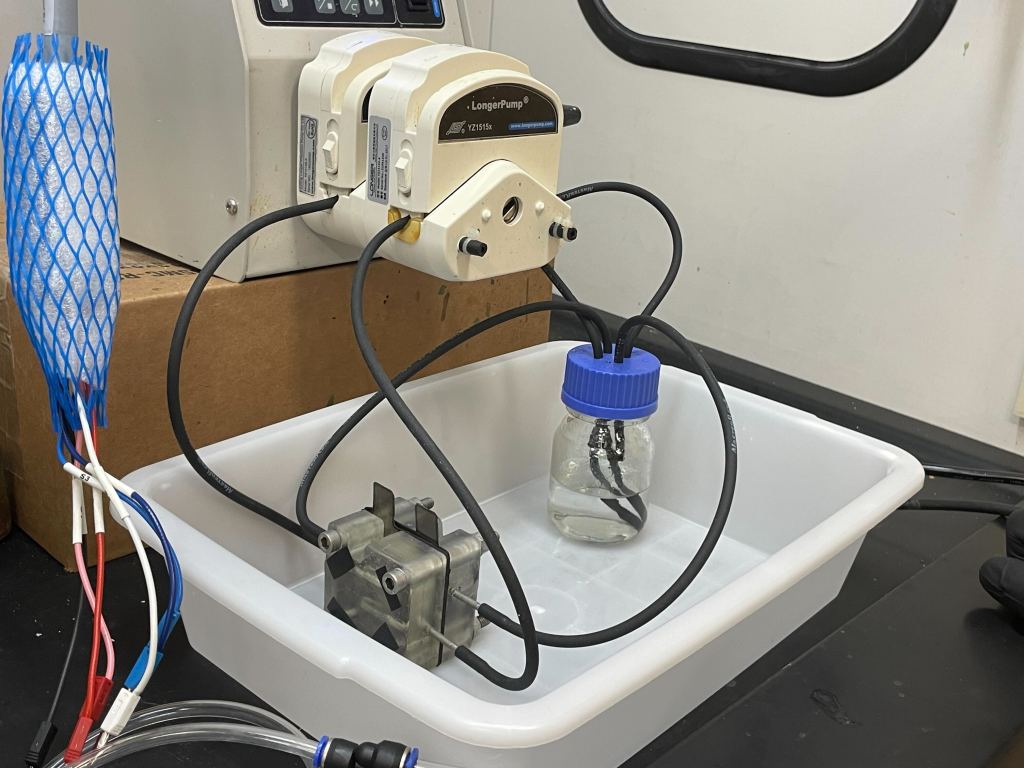
Translucent flow cell design for redox flow battery studies
In redox flow batteries, efficient electrolyte mass transport is critical to overall cell performance, as maximizing electrolyte delivery to the electrode-electrolyte interface enhances redox reactions and improves electrochemical potential. This research project seeks to create a new electrolyte diffuser design with two main goals:
- Achieving consistently even diffusion of electrolyte along the electrode via the inlet channel chamber and flow field
- Designing a reliable process for manufacturing translucent diffusers using 3D printing methods
By meeting these goals, we will be able to observe and quantify how the flow of electrolyte affects electrode coverage, reaction activity, and overall cell performance. This will also give us a clear process for producing reliable cell diffusers and help improve electrolyte transport in redox flow batteries.
Past Projects
Vanadium redox flow battery stack testing (industry collaboration) – Mitacs project
Project alumni:
Project details
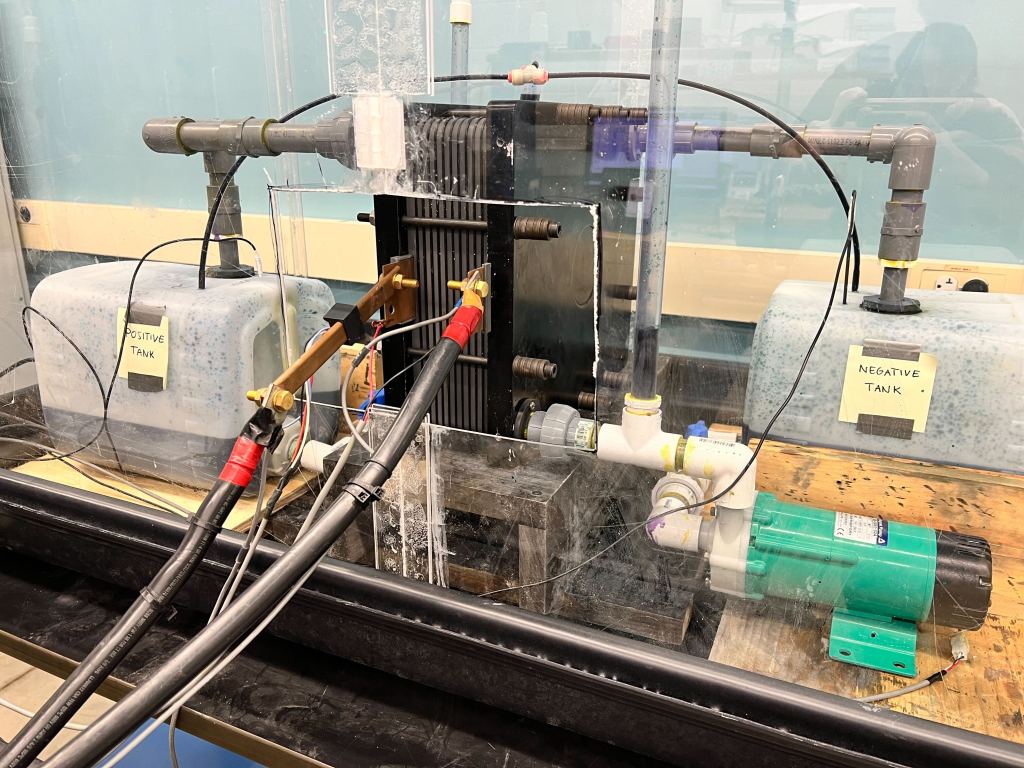
Working alongside NanoNife LLC, we examined the scalability and performance of vanadium redox flow battery (VRFB) systems by experimentally testing a 9-cell reactor stack (9 × 500 cm²). Using a Bitrode battery cycler, we performed controlled charge–discharge cycling tests to assess critical performance parameters, including operational reliability, stability, and voltage efficiency under elevated current conditions (up to 200 A).
This research concentrated on connecting laboratory-scale cells with practical system-level deployment by evaluating the electrochemical characteristics of a scaled-up VRFB configuration under realistic operational conditions. In situ monitoring and continuous electrolyte circulation allowed comprehensive analysis of system balancing and stack-level performance. The project delivered essential insights into the opportunities and challenges related to scaling redox flow battery technologies, advancing the development of commercially viable, efficient, and robust energy storage systems.
